BER ratings explained: What your home’s energy score really means
Put simply, the Building Energy Rating is an energy-efficiency score for your home. It gives you an idea of how efficiently the property uses energy, how it compares with other homes and where there may be opportunities to make it warmer, more comfortable and potentially less expensive to run.
At a glance:
- Ireland’s BER scale now runs from A0 to G.
- A BER certificate is required to sell or rent a home.
- Insulation, heating upgrades and renewables can help improve your BER.
If you’re a prospective homebuyer, planning to retrofit your dwelling or looking to rent a warm, cosy house, understanding the basics of a Building Energy Rating, or BER, could make a significant difference to your quality of life.
Consider it as a report card for your house’s energy performance. In this guide to BER ratings explained, we’ll break down what a BER means, its significance, how to get a BER certificate and what you can do to improve your rating.
Understanding the concept of BER
Put simply, the Building Energy Rating is an energy-efficiency score for your home. It gives you an idea of how efficiently the property uses energy, how it compares with other homes and where there may be opportunities to make it warmer, more comfortable and potentially less expensive to run.
Since May 24, 2026, Ireland has used a simplified BER scale for domestic and non-domestic properties, reducing the number of rating levels from 15 to eight categories: A0, A, B, C, D, E, F, G.
( image here )
As shown on the above illustration, A0 represents the top of the scale and applies to highly energy-efficient buildings that do not use fossil fuels. At the opposite end, G-rated homes have the poorest energy performance on the scale and typically require considerably more energy to heat.
In general, homes towards the A end of the scale are expected to have the lowest energy bills, while G-rated dwellings tend to have the highest energy bills as they require more energy to keep warm.
Why does BER certification matter?
A valid BER certificate is a legal requirement if you are selling or renting a property in Ireland, subject to certain exemptions. The requirement also applies to new buildings that have not been occupied. It remains valid for 10 years unless significant changes are made to the property.
While it provides a quick way to compare the expected energy performance of different properties, serving as a reliable gauge for overall living comfort, the advisory report that comes along with the certificate can act as a starting point for homeowners in deciding what upgrades may make the biggest difference.
You may discover, for example, that improving insulation should come before changing your heating system. Another property could already have a strong building fabric and be ready for a renewable heating technology such as a heat pump. Your home may also benefit from generating some of its own electricity using solar panels.
A higher BER rating can mean:
- Your home stays warm for longer,
- Have lower energy bills
- Increased property value
- Lower mortgage interest rate.
How do you get a BER certificate?
Firstly, you can check if your property has a valid certificate using the SEAI National BER Register portal. You can search using details such as your MPRN, which appears on your electricity bill, or the nine-digit BER number from a previous certificate.
If your property does not have a valid BER, you will need to contact an SEAI-registered BER assessor. You can search SEAI’s national register to find one in your area.
The assessor will inspect your property, complete the required calculations and issue your BER certificate along with an advisory report.
What does a BER assessor check?
During the inspection, the assessor inspects each room in the house and records information including:
- When the house was built and when extensions were added
- Insulation in the walls, roof and floors
- The property type
- Room, window and door dimensions
- Water-heating systems
- Ventilation and lighting
- Heating systems
- Renewable-energy technologies
Once the inspection is done, you’ll receive your BER certificate and the advisory report outlining potential ways to improve home energy efficiency.
The BER certificate issued under the simplified scale after May 24, 2026 also provides additional information on areas such as energy use, renewable-energy contribution and carbon emissions, along with a QR code linking to further BER and upgrade information.
In Ireland, the official method used to calculate a BER is the Dwelling Energy Assessment Procedure. It is not based on a dwelling’s actual number of occupants, the levels and durations of heating or hot water demand. Rather it looks at the building itself, its fabric and installed systems.
How much does BER assessment cost?
It depends on the size of your property and assessor. You can find the list of assessors registered to carry out BER assessment in this SEAI national register.
As a general guide, an assessment may cost around €150 for an apartment, while a standard house could cost between €200 to €350. It is worth noting that you may be eligible for an SEAI grant of €50 towards the required post-works BER assessment, subject to the individual energy upgrades scheme.
What are some ways to boost your BER rating?
Before we dive into this bit, did you know you could save up to €600 per year on heating bills just by insulating the attic and walls of your home properly.
If your BER isn’t where you’d like it to be, there are several ways to improve it. SEAI recommends taking a planned approach, so each upgrade builds on the work you’ve already done rather than tackling improvements in the wrong order.
Once you have BER ratings explained in practical terms, your BER advisory report can help you understand which upgrades are likely to make the biggest difference to your particular home.
Start with insulation: Improving your attic and wall insulation helps keep valuable heat inside your home and reduces heat loss, often called a “fabric first” approach.
Look at your heating system next: Once your home is well insulated, replacing an older, inefficient heating system may help improve your energy performance. A heat pump can be an option for suitable homes.
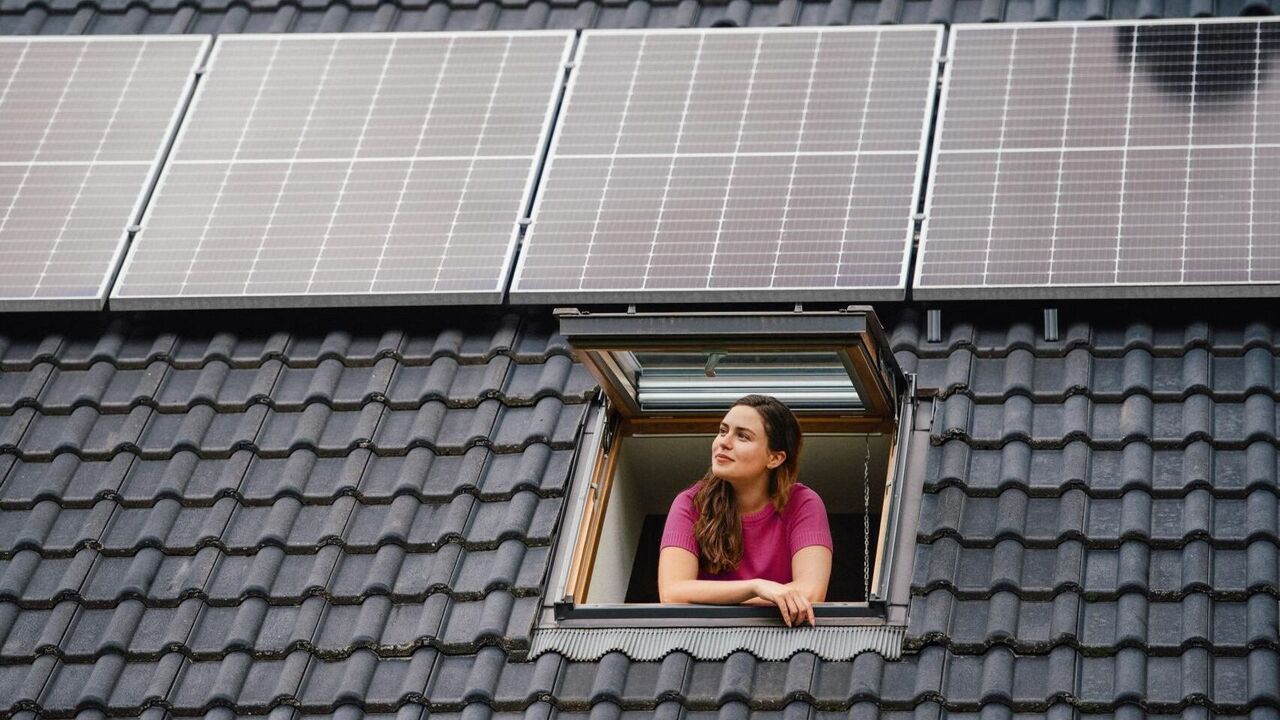
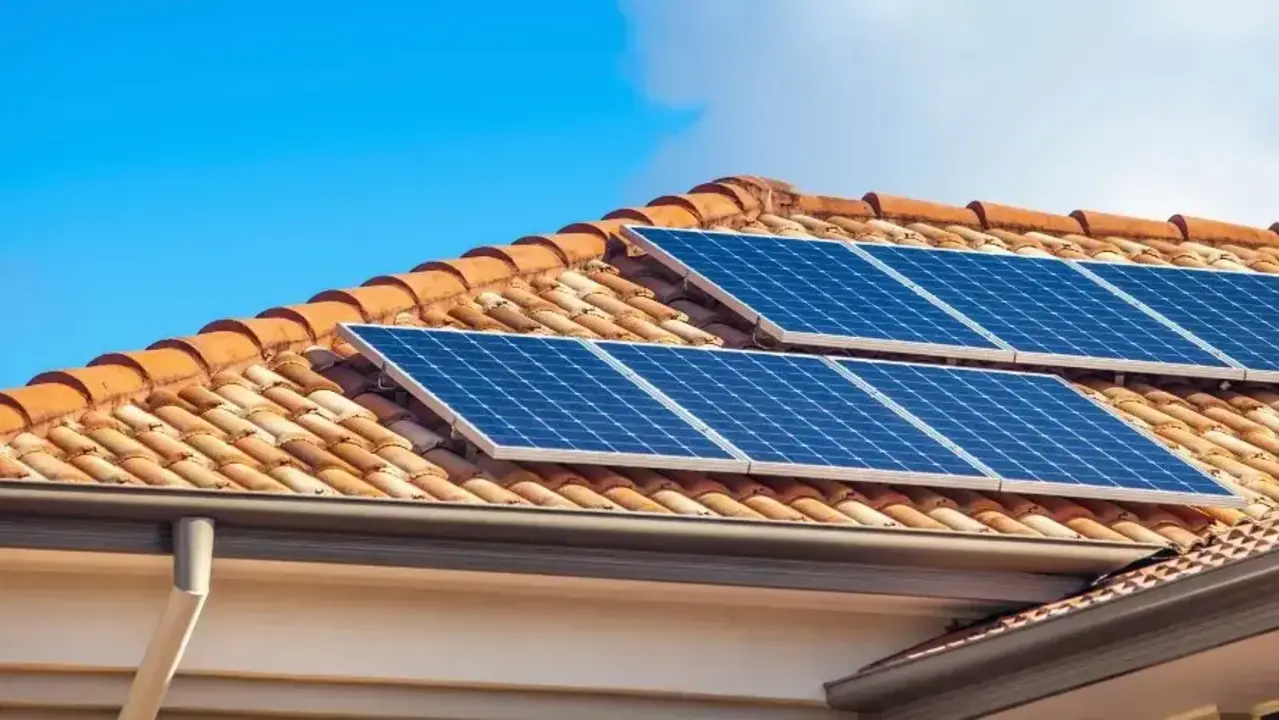
Consider renewable energy: Once you have tackled insulation and efficient heating, solar panels can help your home generate renewable electricity or energy for hot water and may further improve its BER rating.
There are smaller improvements worth considering too. Draught-proofing windows, doors and attic hatches can help reduce heat loss, while efficient lighting and properly insulating and controlling your hot-water cylinder can also contribute to a more energy-efficient home.
Thinking of deep retrofitting? We’re here for you at Energia
If you’re planning several measures together, it may make sense to explore the SEAI deep retrofit grants pathway rather than tackling each job separately.
A deep retrofit can involve quite a few moving parts. There’s the initial assessment, insulation and advanced energy upgrades, grant applications, installation work and finally confirming how much the property’s energy performance has improved.
Energia’s Home Upgrades service is designed as a One Stop Shop for deep retrofit projects, where you can access a wide range of grants which will be deducted upfront from the total cost. To claim these SEAI grants, your property must have been built and occupied before 2011.
Once the upgrades are complete, the property must achieve at least a BER rating of B and either include a heat pump or meet the required improvement in primary energy use. At Energia, we will take care of end-to-end project management, including helping with grant administration and arranging new BER paperwork.