.jpg?ext=.jpg)
What is renewable energy?
This guide explains the main types of renewable energy, their benefits and challenges, Ireland’s progress towards renewable targets, and how households can generate and manage renewable electricity at home. Renewable electricity refers specifically to electricity generated from renewable sources, while green energy is a commonly used term for energy with a lower environmental impact.
How is renewable energy used?
Renewable energy can be used in several ways:
- Electricity: Wind turbines, solar PV panels and hydropower systems can generate electricity.
- Heating: Solar thermal, geothermal and sustainably sourced bioenergy can provide heating and hot water.
- Transport: Renewable electricity can power electric vehicles, while renewable fuels can be used in other forms of transport.
What is the difference between renewable and non-renewable energy?
| Renewable energy | Non-renewable energy |
|---|---|
| Comes from naturally replenished sources | Comes from finite resources |
| Includes wind, solar and hydropower | Includes coal, oil and natural gas |
| Generally produces lower lifecycle greenhouse-gas emissions | Produces significant greenhouse-gas emissions when fossil fuels are burned |
| Can make use of domestic resources | May rely on imported fuels |
| Some sources vary with weather conditions | Generation is less dependent on weather but relies on a continuous fuel supply |
Fossil fuels take millions of years to form and cannot be replaced at the rate at which they are used. Renewable sources are replenished naturally, although they must still be developed and managed responsibly.
What are the main types of renewable energy?
Wind energy
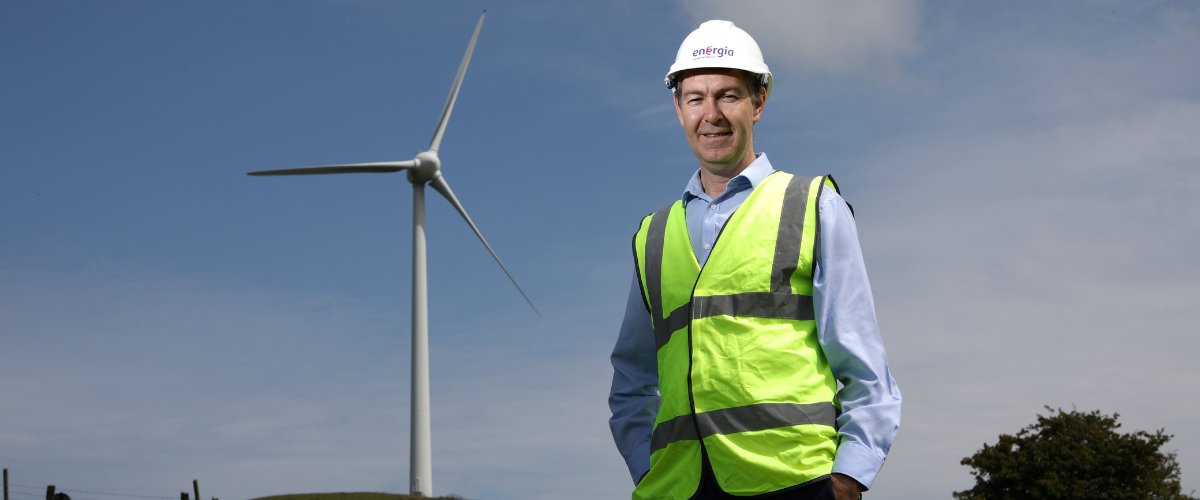
Wind turbines use moving air to generate electricity. The wind turns the turbine blades, which power a generator and produce renewable electricity. Wind farms can be located on land or offshore. Wind is particularly important in Ireland and is the country’s largest source of renewable electricity.
Solar energy
Solar energy is produced using sunlight. Solar photovoltaic panels, commonly known as solar PV panels, capture daylight and convert it into electricity for homes and businesses.
Solar thermal systems work differently. Instead of producing electricity, they use energy from the sun to heat water.
Hydropower
Hydropower uses moving or falling water to generate electricity. The water passes through turbines, causing them to turn and power a generator. Some hydropower plants use dams or reservoirs to store water before releasing it when electricity is needed.
Geothermal energy
Geothermal energy uses heat found beneath the Earth’s surface. It can be used to heat and cool buildings or, in suitable locations, to generate electricity.
Bioenergy
Bioenergy is produced from organic materials such as plants, agricultural residues and organic waste. It can be used to generate electricity, provide heat or create renewable fuels. Its environmental benefits depend on how the materials are sourced, produced and managed.
Ocean energy
Ocean energy uses the movement of waves and tides to generate electricity. Ireland’s coastline provides long-term potential for ocean energy, although these technologies are not yet as widely used as wind or solar.
What are the benefits of renewable energy?
Lower greenhouse-gas emissions
Renewable technologies generally produce much lower lifecycle greenhouse gas emissions than fossil-fuel generation. Wind and solar generate electricity without burning coal, oil or natural gas during operation.
Naturally replenishing sources
Wind, sunlight and water are naturally replenished. They can continue to provide energy without being depleted in the same way as fossil-fuel reserves Other sources, such as biomass, must be sourced and managed sustainably to remain renewable.
Reduced reliance on imported fossil fuels
Making greater use of renewable sources available in Ireland can reduce the country’s reliance on imported coal, oil and natural gas. Ireland remains heavily dependent on imported fossil fuels, which leaves the country exposed to changes in international supply and energy prices.
Greater energy security
Generating more energy from domestic renewable sources can make Ireland less dependent on international fuel markets. A wider mix of renewable generation and storage can also support a more flexible and resilient electricity system.
Investment and employment
Renewable energy supports jobs across project development, construction, installation, operation and maintenance. Continued investment in renewable generation and electricity-grid infrastructure is also needed to support Ireland’s transition to a cleaner energy system.
What are the challenges of renewable energy?
Renewable energy has many advantages, but there are also practical challenges:
- Wind and solar generation can vary depending on weather conditions.
- Electricity supply and demand must remain balanced at all times.
- Storage and a more flexible electricity grid are needed.
- New generation and grid infrastructure require significant investment.
- Projects must consider potential effects on landscapes, habitats and local communities.
These challenges do not apply equally to every renewable source. Hydropower, geothermal energy and some forms of bioenergy operate differently from weather-dependent wind and solar generation.
Renewable energy in Ireland
Renewable energy is used across Ireland’s electricity, heating and transport systems. It is important to distinguish between Ireland’s overall renewable energy share and the proportion of electricity generated from renewable sources.
Provisional SEAI data shows thatrenewable sources accounted for 15.9% of Ireland’s total energy requirement in 2025 and 40.9% of its electricity supply. Wind was the largest renewable source and supplied 32% of Ireland’s electricity.
Ireland aims to increase the share of electricity generated from renewable sources to 80% by 2030. Reaching this target will require more renewable generation, alongside investment in the electricity grid, storage and other supporting infrastructure.
How is Energia investing in renewable energy?
Energia Group owns and operates onshore wind assets across the island of Ireland and purchases electricity from other renewable generators through Power Purchase Agreements.
The Group is also developingonshore wind and solar projects, alongside battery storage and hydrogen initiatives. Battery storage and hydrogen are not renewable generation sources themselves, but they can support an electricity system using increasing amounts of renewable generation.
How can renewable energy be used at home?
Generate electricity with solar PV panels
Solar PV panels capture daylight and convert it into electricity that can be used in your home. This can reduce the amount of electricity you need to import from the national grid. Find out more about Energia’s solar PV panels and available home solar options.
Store surplus solar electricity
A home battery can store electricity generated by solar panels during the day so that it can be used later, including during the evening or overnight. Learn how solar battery storage can help you make better use of the electricity your panels generate.
Export unused electricity
If your solar PV system generates more electricity than your home uses, the surplus can be exported to the national grid. Eligible customers can receive credit for exported electricity through Energia’s Microgeneration Scheme.
Solar PV, battery storage and microgeneration can work together, allowing renewable electricity to be used in your home, stored for later or exported when it is not needed.