Autumn Energy Saving Tips for Irish Homes
These autumn energy saving tips for Irish homes focus on quick wins, smart controls and simple checks that keep you warm without wasting energy during the shoulder season, when heating and hot water demand starts to rise but winter has not fully set in.
Autumn is also a good time to review how your home is using energy as heating comes back into more regular use and daylight hours get shorter.
Quick autumn energy saving checklist
- Review your heating controls and adjust schedules for autumn
- Check that radiators are heating evenly and bleed them if needed
- Programme your hot water to heat only when needed
- Check windows, external doors and loft hatches for draughts
- Make sure furniture is not blocking radiators
- Check pipe lagging, loft insulation and your hot water cylinder jacket
- Make the most of natural daylight and warmth
- Review your meter readings or smart meter data to see how your energy usage is changing
Autumn energy saving tips for your home
As household routines change with the season, autumn is a useful time to check how efficiently your home is running. From adjusting heating controls to tackling draughts and making better use of natural light, these practical steps can help reduce unnecessary energy use.
Set your heating controls and ideal room temperature
Thermostat settings
Set your thermostat to around 19–20°C in living areas and 16–18°C in bedrooms, then build an autumn schedule around your routine. Use zoning or thermostatic radiator valves so you heat the rooms you occupy most in the evening, such as the sitting room, kitchen or a home office. When you are away, switch on holiday or away modes to maintain background warmth without running the boiler unnecessarily.
Smart heating controls and Thermostatic radiator valves (TRVs)
Smart controls can help you track and trim consumption. App-based thermostats and smart TRVs allow room-by-room adjustment and quick responses to milder days.
TRVs help regulate individual radiators based on the temperature of the room, so you can turn down the heating in rooms that are used less frequently.
Make use of open-window detection and geofencing to pause heating when fresh air is needed or when everyone has left the house. Review weekly usage summaries and nudge setpoints down by 0.5–1°C to test comfort; even small reductions can lower costs over the season.
Check and bleed your radiators
How to bleed a radiator
Prepare radiators before the heating season peaks. If a radiator feels cold at the top but warmer at the bottom, trapped air may be preventing it from heating evenly. To bleed a radiator, turn the heating off and allow it to cool. Use a radiator key to slowly open the bleed valve, keeping a cloth or small container underneath. Once the air has escaped and water begins to appear, close the valve again. If you have a pressurised heating system, check the boiler pressure afterwards and follow the manufacturer's instructions if it needs adjusting.
Improve radiator efficiency
Balance the system so rooms heat evenly. Ensure furniture is not blocking radiators and fit reflective foil behind radiators on external walls to push warmth back into the room.
Set your hot water cylinder temperature
Hot water is another opportunity for savings. Programme the cylinder to heat only when needed in the morning and early evening, and set the hot water cylinder thermostat to about 60°C to keep water safe without overheating. Many combi boilers let you reduce the domestic hot water temperature at the tap, delivering comfortable showers without excessive gas use. Avoid continuous hot water pre-heat unless you truly need instant hot water throughout the day.
Draught proof windows and doors
Find and Seal Draughts
Draughts can make rooms feel colder than the thermometer suggests. Check around window frames, external doors, letterboxes, keyholes and loft hatches for noticeable air movement before deciding where draught proofing is needed. Fit self-adhesive draught strips on external doors and windows, add brush seals to the letterbox, and use covers for keyholes. Seal the edges of loft hatches and consider a compressible seal for a tighter fit.
Keep heat inside
Close internal doors in the evening to keep heated air where you want it. Heavy, lined curtains over windows and external doors further reduce heat loss after dusk.
Check your home insulation
Simple DIY insulation measures pay back quickly: Add pipe lagging to exposed hot water and heating pipes in the airing cupboard, utility areas and attic to reduce heat loss and improve hot water delivery.
Top up loft or attic insulation to the recommended depth if it is below standard, while maintaining ventilation to help prevent condensation.
If you have a hot water cylinder, fit or upgrade the insulating jacket to the latest specification.
Make the most of natural light and warmth
On bright autumn days, open curtains and blinds to make the most of natural daylight and warmth from the sun. Close them again around dusk to help reduce heat loss through windows as temperatures fall.
Use lighting and appliances efficiently
Lighting tips
Lighting demand rises as daylight hours shrink. Replace any remaining halogen or CFL bulbs with quality LEDs and choose warm white for living spaces. Use task lighting for reading, cooking or homework instead of illuminating whole rooms, and position lamps where they are most effective. Consider timers or smart bulbs to schedule lights around sunset and switch them off automatically at bedtime.
Eco settings
Run appliances on eco programmes at lower temperatures. Wash clothes at 30°C where possible and fill the drum to the recommended level. Use the dishwasher’s eco cycle and allow air-drying by opening the door at the end. If you have a time-of-use tariff, set off-peak timers for washing machines, dishwashers and dryers to shift consumption to cheaper periods. Avoid tumble drying when you can; a clothes rack in a ventilated space is gentler on fabrics and energy bills.
Power settings
Standby power can add up. Identify always-on devices with a smart plug or in-home monitor and schedule power-downs overnight. Group entertainment devices on a single smart strip so you can switch them off together. Disable unnecessary features such as continuous screen savers, and set computers and consoles to enter sleep mode after short periods of inactivity.
Monitor your energy usage with a smart meter
Check your meter readings
Regular meter readings help you understand how usage shifts with weather and routine. If you have a smart meter, check your in-home display or supplier app to spot daily and weekly trends. Compare similar days to see the effect of schedule changes, and watch for unusually high baselines that suggest a device is running when it should not be.
For more detail, read Energia’s guide to smart meter installation, its significance and the Energia app.
Track changes in your autumn energy use
Set autumn-specific goals, such as reducing evening electricity use by a set percentage or trimming gas consumption by lowering setpoints. Track progress weekly and change one thing at a time so you can see what works. Keep a simple log of thermostat settings, hot water schedules and any draught-proofing you complete, then link these actions to changes in your bills or usage graphs.
Plan home energy upgrades this autumn
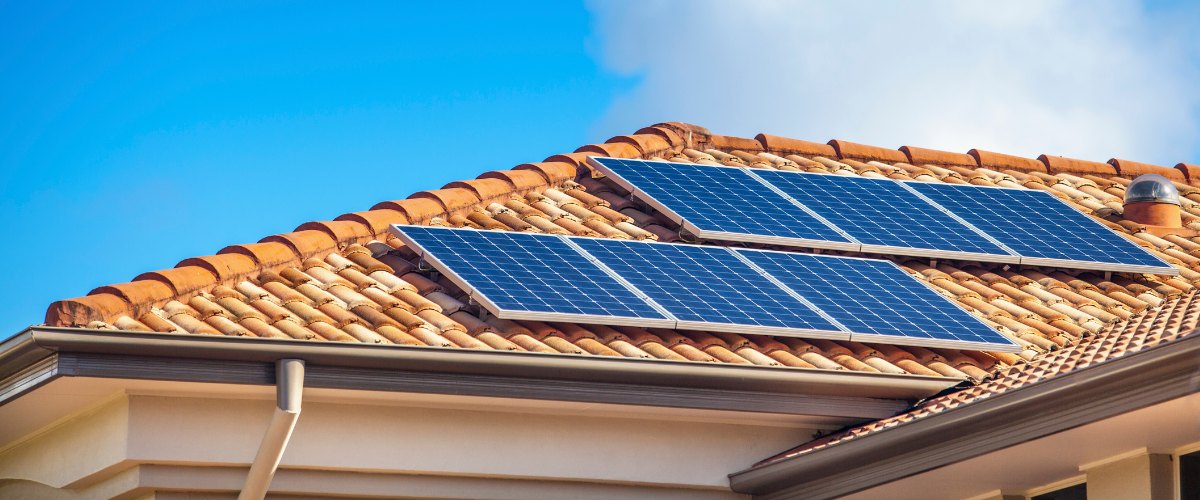
Looking ahead, autumn is a good time to plan upgrades before winter peaks. Book a boiler service to ensure efficient operation, and explore renewable options such as solar PV or solar hot water where suitable. Check available seai grants and incentives, and consider a professional energy assessment to prioritise the measures with the best payback. Even if you start with low-cost steps now, a clear plan sets you up for deeper savings through the colder months with an energy-efficient, well-tuned home.
Looking for extra support? Check out our Energy Wise hub for more information and tips on making your home more energy efficient throughout the seasons.

.png?width=1000&height=1000&ext=.png)