Smart Track
What is Smart Track?
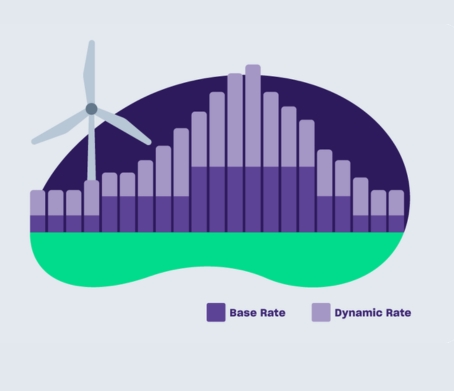
Smart Track is our new dynamic smart electricity plan, giving you access to half‑hourly prices that update based on the wholesale electricity market. Prices tend to fall when there’s high amount of renewable energy available, so you could save by using electricity during those greener, cheaper periods.
It is suited to homes that can shift some usage away from peak times, especially if you have solar or an EV charger.
How Smart Track works
- Everyday the unit rates will be published in your Energia online account for the next 24 hours. You can sign up to receive email or SMS alerts a day in advance of any dynamic rates spiking above a threshold. It includes:
- Standing charge - covers the cost of your electricity connection.
- Base unit rate - a variable rate you will know in advance.
- Dynamic unit rate – changes every 30 minutes based on the wholesale electricity price.
Energia Smart Track Dynamic Tariff
It also explains how to set up alerts, track your usage, and understand how dynamic pricing appears on your bill so you can make more informed choices.
Benefits
Potentially lower bills
Shift your energy use to cheaper times of the day and pay less for your electricity.
Supports the Energy Transition
Prices are lower when there is more renewable energy supporting a cleaner electricity grid.
Control over costs
Monitor half-hourly prices and adjust your usage to take advantage of the cheapest electricity rates daily.
Key Considerations
Price spikes
If wholesale electricity prices spike, you may be open to sudden price rises.
Uncertainty
Predicting your bill in advance may be difficult due to frequent price changes.
Regular monitoring
To get the most value, you need to track your usage daily. If you use a lot of electricity during the peak (5-7pm), shifting enough usage may be challenging.
To sign up you need:
A smart meter with a CTF score of 4 (see FAQ below)
The ability to track and shift your energy use
An Energia online account
Direct Debit payment set up
Talk to our Customer Care Team now
Not sure if Smart Track suits your lifestyle? We’re here to help. Call us below (Option 3) to talk through your options with our team.
Want to know more about Dynamic Tariffs?
If you’re interested in understanding how these new smart meter tariffs work, how prices update every 30 minutes, and how you can make the most of cheaper and greener times on the grid, we’ve put together a clear and easy guide. It walks through the basics, the benefits, and what to think about before getting started.
Dynamic Tariffs FAQs
With a dynamic tariff, your bill is based on two things:
How much electricity you use, and the price of electricity at the exact time you use it.
Prices change every half hour, so your smart meter records your usage in hourly blocks. At the end of the billing period, we will add up each half hour’s usage and multiply it by the price at that time. Using electricity during cheaper times can help lower your costs—but using it during expensive peak times will increase your bill.
Budgeting on a dynamic tariff is possible, but it just takes a bit more awareness of when and how you use energy. Here are some practical tips to help you stay in control:
Monitor your usage: Use Energy Insights to track your consumption and spot patterns that could be costing you more.
Understand price fluctuations: Dynamic tariffs follow wholesale energy prices, which change throughout the day. Prices are typically higher during peak hours (like early evenings) and lower overnight or mid-day.
Shift your usage: Try to run appliances like washing machines, dishwashers, or EV chargers during off-peak hours when prices are lower.
Use smart tech: Smart thermostats and appliances can be programmed to operate during cheaper times, helping you save without thinking about it.
Build a buffer: Because prices can spike unexpectedly, it’s wise to include a small cushion in your monthly budget to cover any surprises.
By staying informed and adjusting your habits, you can make the most of a dynamic tariff and potentially reduce your energy costs.
Planning your energy usage on a dynamic tariff is all about timing and awareness. Because prices change throughout the day based on wholesale market rates, you can save by using energy when it's cheaper. Here's how to stay ahead:
Check price forecasts: You will be provided with daily price updates through your online account. Use these to plan when to run appliances.
Use smart technology: Smart meters, thermostats, and appliances can help you automate usage during low-cost periods.
Shift flexible tasks: Activities like laundry, charging devices, or heating water can often be moved to off-peak hours to avoid when prices are higher.
Set reminders or routines: Create habits around cheaper times e.g. Running the dishwasher after 10 PM or charging your EV overnight.
Review your usage regularly: Tracking your consumption helps you spot opportunities to adjust and save.
With daily planning, you can take full advantage of lower-cost periods and make a dynamic tariff work for your lifestyle.
You will be able to see a breakdown of the number of base unit rates used for each billing period, the rate and the total cost. You will also see the total volume of dynamic unit rates used for the billing period and total cost.
Yes, there is a possibility. Dynamic tariffs reflect wholesale energy prices, which fluctuate throughout the day. While there can be lower prices during off-peak hours, prices can spike during periods of high demand or market volatility.
If you use most of your energy during these peak times, you could end up paying more than you would on other smart plans. However, if you're able to shift your usage to cheaper times, a dynamic tariff could help you save.
Yes, Dynamic Tariffs are only available to customers if they have a smart meter with the strongest connection (CTF 4).
A CTF, or Communications Technically Feasible, score is a daily assessment used to determine whether remote communications between a smart meter and ESB Networks are reliable enough to support smart services. Your smart meter will have a CTF score of between 1 and 4.
If your CTF drops below a 04 while you are on a dynamic tariff, you’ll need to switch to an alternative tariff.
Once we receive the notification from the network, we’ll contact you within 3 days to discuss your options. If we reach you and you’re happy to proceed, we can move you to a new tariff during that call.
If we’re unable to contact you, we’ll follow up by email. If we still don’t hear from you, you’ll be automatically moved to one of our available non-contract tariffs 7 days after our initial contact attempt.
Your energy provider will be able to tell you your smart meter's CTF score.
Yes. If a dynamic tariff no longer suits your needs, you can switch to a different plan at any time. However, if you leave a dynamic tariff, you won’t be able to switch back to it until the end of your new contract.
Dynamic tariffs can be unpredictable. Prices change every half hour based on the wholesale electricity market, which means they can spike suddenly, especially during peak demand or supply shortages.
This makes them riskier than other smart plans, and your bills could go up if you use electricity when prices are high. You’ll need to actively monitor prices and adjust your usage to avoid paying more.
This is a unit rate that is set and charged for each unit of electricity used. This may be flat or aligned to a time of use (Day, Night, Peak). It is set in advance and does not change day-to-day. It is made up of supply costs, network costs & regulated charges.
The base unit rate will be charged in addition to any dynamic unit rate.
There is a cap on the interval prices (i.e. the half-hourly market price) for Standard Dynamic Price Contracts which shall equal the rate of the Floor Price of the Reliability Option Strike Price as applies to reliability options and difference payments in the SEM.
This is subject to change on a weekly basis and is applicable for the week commencing Sunday. The cap applies to the dynamic element of the unit rate only and does not apply to the base unit rate.
This means there is a price cap / maximum price on the dynamic unit rate which is the Floor Price of the Reliability Option Strike Price and set by SEMO.
You can view the day ahead dynamic wholesale unit rates and current weekly price cap via your Energy Online account.
Dynamic tariffs can offer savings, but they also come with certain risks that are important to consider:
Price volatility: Energy prices can change hourly based on market conditions. If you use electricity during peak times, you may pay significantly more compared to other smart plans.
Unpredictable bills: Because prices fluctuate, your bills can vary depending on when and how much energy you use.
Requires active management: To benefit from lower rates, you’ll need to monitor price changes and adjust your usage accordingly. This may not suit all lifestyles.
Limited control during emergencies: If prices spike unexpectedly, due to weather events or market disruptions, you might have little choice but to pay higher rates if you need power urgently.
Drop in connectivity (CTF): If your CTF drops below a connectivity level of 04, you will have to move to a different tariff.
Only the dynamic unit rate reflects low wholesale prices, so reductions in the market don’t affect the base rate.
Yes, you will still be able to opt in for Energy Insights. However, due to the volatility of pricing we are unable to display or forecast cost for Dynamic Tariff customers. You will still be able to monitor your consumption in the same as you can on our other Smart plans.
You can sign up to receive alerts when the whole sale price of electricity goes above a certain threshold. You can opt into receiving these alerts when signing up to your tariff. If at any point you would like to amend the threshold amount you have set to receive these alerts, you can do so by calling our Customer Care Team on 0818 405 405.
When wholesale prices are negative, you will still be charged the base unit rate for the specific interval. However, the negative pricing will be factored into the combined amount you pay for the dynamic consumption costs included in your bill.